Synchronizing Bluff Frequency Awareness with Identifying Overlooked Fees Across Diverse Mutual Fund Portfolios for Mid-Career Professionals
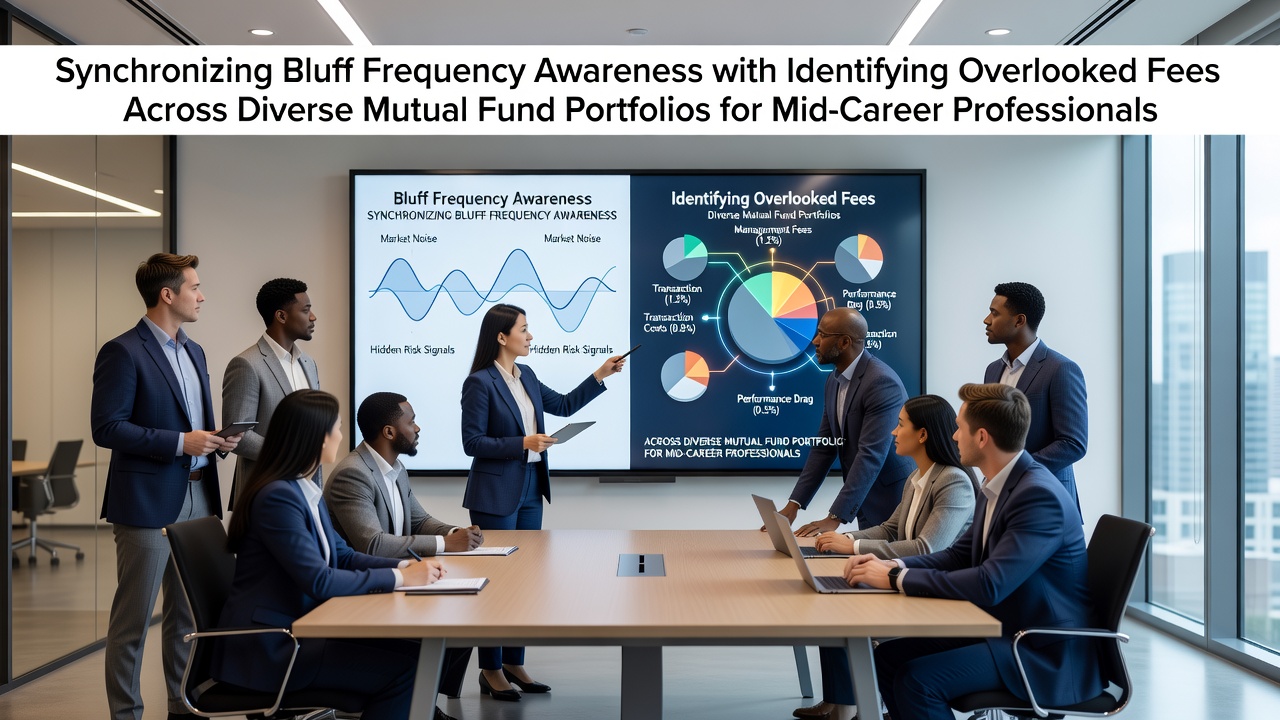
Professionals in their 40s and 50s often manage multiple mutual fund holdings across 401(k) plans, IRAs, and taxable brokerage accounts, where expense ratios, transaction costs, and 12b-1 fees accumulate without immediate visibility. Observers note that the same frequency-adjustment principles used in poker to calibrate bluff rates translate directly to systematic fee detection, because both require ongoing recalibration based on changing conditions and opponent or market responses.
Core Mechanics of Frequency Awareness
Bluff frequency in poker depends on pot odds, stack sizes, and observed tendencies, with players tracking how often certain lines occur across thousands of hands to avoid predictable patterns. Researchers have documented that optimal frequencies shift when table dynamics change, requiring constant monitoring rather than fixed percentages. Those who study decision-making processes find parallel requirements in portfolio oversight, where fee structures vary by share class, fund family, and account type, and mid-career investors must adjust detection routines as holdings are added or rebalanced.
Mapping Poker Concepts to Fee Structures
Expense ratios represent the most consistent cost layer, yet front-end loads, redemption fees, and revenue-sharing arrangements function like infrequent but high-impact bluffs that only appear under specific conditions. Data from regulatory filings shows these costs often remain buried in prospectus supplements or statement footnotes. Professionals who apply frequency tracking methods examine each account quarterly, logging every fee type and noting deviations from stated ranges, much as poker players update range charts after each session. This approach reveals patterns across domestic equity, international bond, and target-date funds that static annual reviews miss.
Practical Application for Diverse Portfolios
Consider an investor holding funds from three different providers in separate accounts. One equity fund charges 0.45 percent expense ratio plus a 0.25 percent 12b-1 fee, while a similar index option in another account lists 0.08 percent with no distribution fee. Frequency awareness prompts comparison of how often each fee category appears across the entire portfolio rather than fund by fund. Studies from academic sources indicate that investors who log cost occurrences at regular intervals reduce cumulative drag by amounts that compound meaningfully over 15-to-20-year horizons remaining before typical retirement dates.
Market volatility in early 2026 has prompted more frequent rebalancing among mid-career accounts, which in turn surfaces previously unnoticed transaction fees. June 2026 statements are expected to reflect these adjustments for many plan participants. Observers note that professionals who treat each rebalance as a new data point, updating their personal fee-frequency model, maintain clearer visibility into total costs than those relying on year-end summaries alone.
Regulatory Context and Disclosure Practices
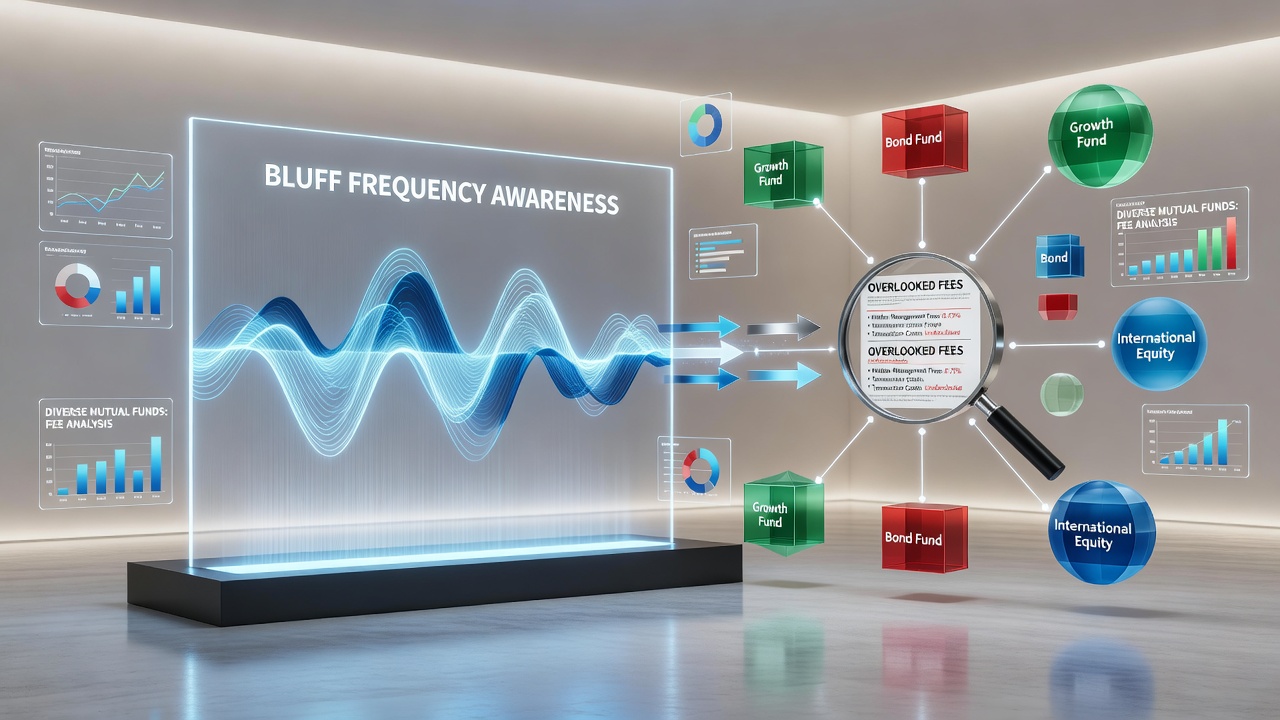
According to filings tracked by the U.S. Securities and Exchange Commission, mutual funds must disclose fee structures in standardized formats, yet the placement and terminology vary enough that automated alerts often overlook them. A separate analysis released by the European Securities and Markets Authority highlights similar inconsistencies across cross-border fund offerings popular with U.S. investors holding international allocations. Those who integrate these disclosures into a running frequency log can flag when a fund's cost profile deviates from its peer group without waiting for regulatory enforcement actions.
Building Systematic Tracking Routines
Professionals begin by cataloging every fee type present in current holdings, then establish review intervals tied to contribution dates or statement cycles. This mirrors the poker practice of reviewing hand histories after each major tournament or cash-game session. Research from university finance departments shows that investors maintaining such logs identify redundant share classes and overlapping revenue-sharing arrangements more reliably than those using ad-hoc methods. Spreadsheet templates or portfolio software that tags each cost occurrence allow quick recalculation when new funds enter the mix.
Conclusion
Synchronizing frequency awareness techniques with fee identification produces measurable improvements in cost visibility across mixed mutual fund portfolios. Mid-career professionals who treat each account statement as fresh data for their tracking model maintain consistent oversight without requiring daily attention. Regulatory disclosures from multiple jurisdictions supply the raw inputs, while the discipline of logging occurrences at set intervals supplies the structure that turns scattered information into actionable patterns.